Center for Advanced Biotechnology and Medicine
Plaque of CABM logo on CABM building

About CABM

CABM has a strong culture of investigator-initiated basic biomedical research. Activities are concentrated in three primary areas: Infectious Disease, Cancer, and Neurodevelopment/Neurodegeneration.

Mission

The CABM mission is to make fundamental discoveries and develop new technologies that can be translated to improve human health.

photo of CABMm building

Research

To perform cutting-edge, molecularly-focused basic research in the broad areas of infectious disease, cancer, and neurodevelopmental/neurodegenerative disorders including AIDS, influenza, leukemia/lymphoma, autism, and metabolic diseases, facilitated by collaboration among investigators with expertise in different disciplines.

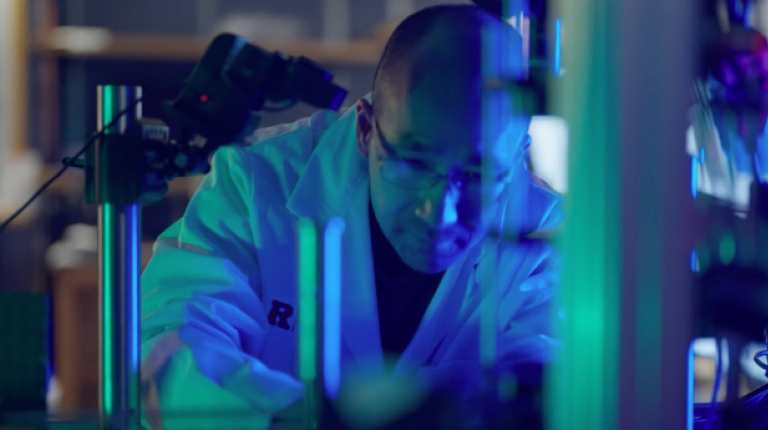
photo of 2 researchers

Teaching

To foster the next generation of biomedical researchers through classroom teaching and laboratory training for undergraduate, graduate, and medical students as well as postdoctoral fellows and visiting scientists.

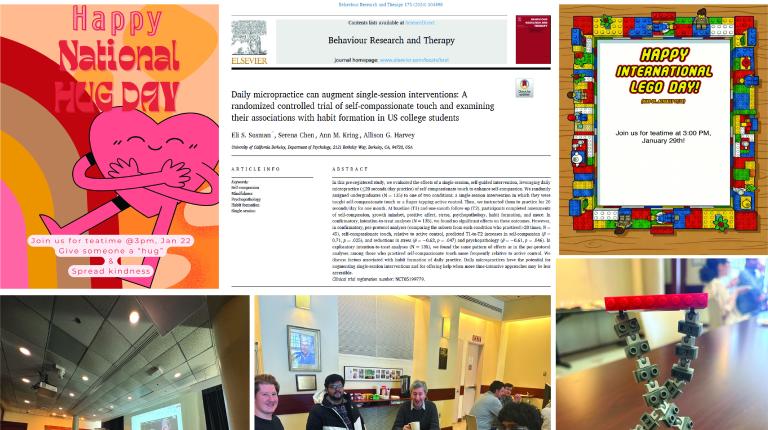
photos of students

Industry

To promote economic development through corporate collaborations, consultation, and technology transfer.

photo of researcher

Service

To enhance the research environment in New Jersey by providing access to high-end instrumentation, shared facilities, sophisticated technologies, and international collaborations.

photo of researcher
photo of CABMm building
photo of 2 researchers
photos of students
photo of researcher
photo of researcher

Who We Are

CABM was established to be a hub for biomedical research at Rutgers University and the University of Medicine and Dentistry of New Jersey-Robert Wood Johnson Medical School (UMDNJ-RWJMS) in Piscataway/New Brunswick (NB). It has succeeded admirably in this task. CABM investigators, who hold academic appointments in departments of RWJMS, the School of Arts and Sciences (SAS) and the Earnest Mario School of Pharmacy (EMSoP), have become internationally-recognized leaders in their respective fields, deeply involved in interdisciplinary research and teaching programs that bridge across multiple departments and schools. In July 2013 the NJ Higher Education Restructuring Act dissolved UMDNJ and merged most of its schools with three Rutgers campuses creating a single Rutgers University. CABM was placed in the newly created Rutgers Biomedical and Health Sciences (RBHS) unit that contains most previous schools of UMDNJ. CABM reports directly to RBHS Chancellor Brian Strom. Although UMDNJ and Rutgers have merged, CABM retains a somewhat unique status as a joint institute with faculty distributed among schools under the supervision of two different chancellors (RBHS and Rutgers-NB).

photo of Center for Advanced Biotechnology and Medicine building

CABM Leadership

  • CABM faculty and scientific staff lead research collaborations and consortia involving investigators across Rutgers University, direct core facilities, head shared instrumentation grants, teach undergraduate, graduate and medical school courses, play key roles in training grants and graduate programs, and hold leadership administrative positions in the university.

  • These activities include chairing scientific committees and organizing conferences, symposia, and workshops; serving on NIH, NSF, private foundation, and international funding agency advisory committees; participating on advisory boards for departments, programs, and national technology resources at other universities; and serving as journal editors and editorial board members, and as officers and committee members of scientific professional society.

  • As CABM investigators are also faculty members of several different academic departments, their research programs promote powerful synergies across the university. CABM is a major link between RBHS and the Rutgers-NB academic and scientific communities; provides the primary strength of RBHS in proteomics and structural biology; and fosters collaborative interactions between biomedical and physical science disciplines including chemistry, molecular biophysics, engineering, and computer science. These unique interdisciplinary strengths of CABM are essential elements of innovative biomedical research across the Rutgers Piscataway/New Brunswick campuses. In particular, the primary research focus areas of CABM, Infectious Disease, Cancer, and Neurodevelopment/ Neurodegeneration, are central components of the RBHS Strategic Plan. CABM promises to continue to play a unique role in integrating RBHS within Rutgers University and contributing to the Rutgers goal of excellence in education and research.