
Xuesong Zhang
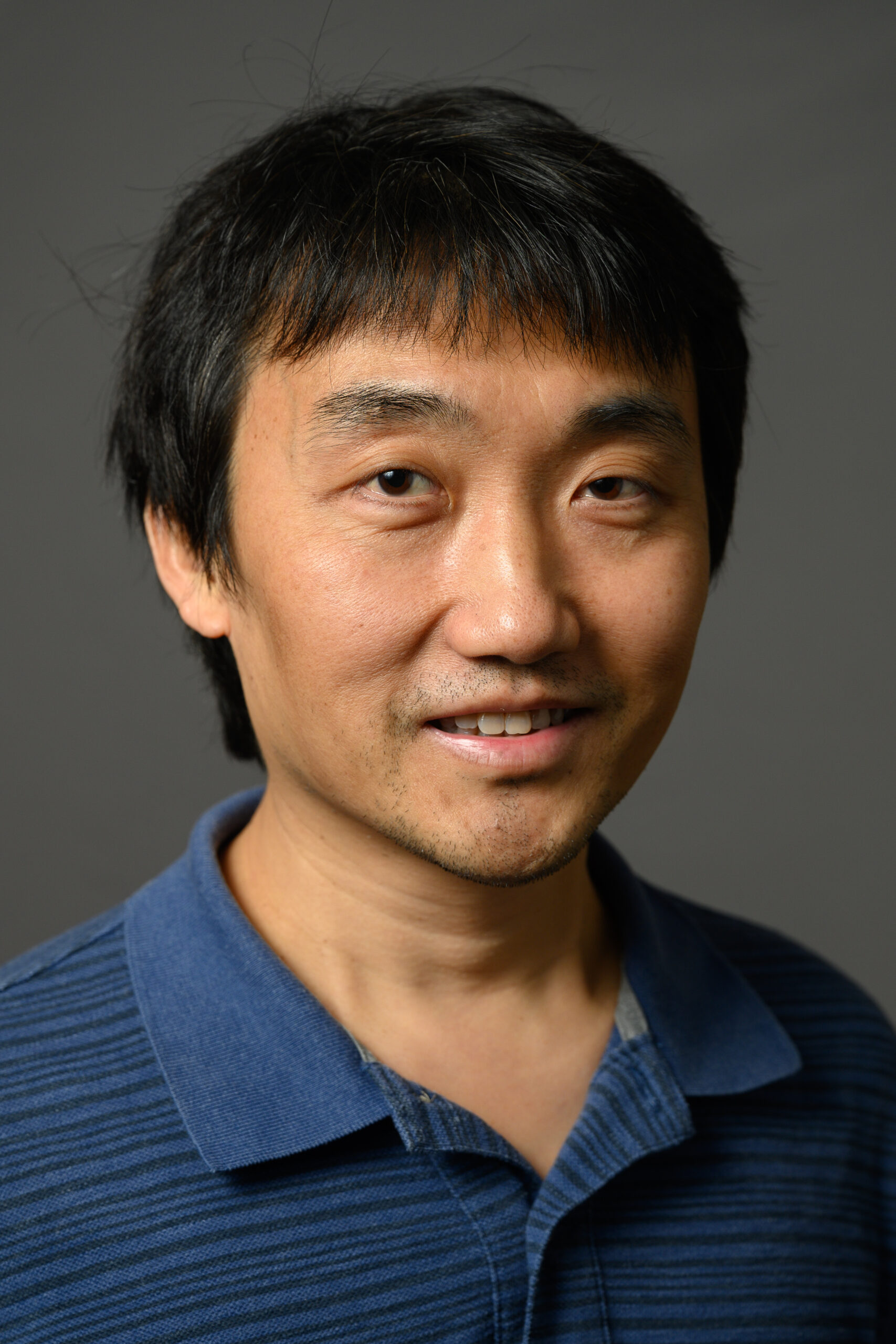
Biography
Dr. Xue-Song Zhang is a senior scientist with broad-based training in microbiology, genetics, molecular biology, biochemistry, and immunology. Currently his research interests include His research includes the effects of human early-life gut microbiota on the development of autoimmune-associated diseases including type 1 diabetes, the roles of the gut-brain axis in the early development of Autism spectrum disorder and Alzheimer’s disease, and the molecular mechanisms underlying Helicobacter pylori persistence, pathogenicity, and carcinogenesis in the human upper gastrointestinal tract.
He received his Ph.D in Microbiology from The City University of New York and postdoctoral training from Texas A&M University. In 2008 joined Dr. Martin J. Blaser Lab in New York University School of Medicine, and since then he has been working in Blaser lab researching on molecular mechanisms of carcinogenesis of Helicobacter pylori in human upper gastrointestinal tract cancers and mechanisms of Helicobacter pylori persistence and pathogenicity in human hosts and characterization of Helicobacter pylori genetic variation and evolution in host niche, and in recent years more focus on gut microbiota and autoimmune associated diseases. He is also Senior Editor of Microbiological Research (ELSEVIER).
Research Interests
Gut Microbiota, Microbe-Host Interactions, Autoimmune Disease, Type 1 Diabetes, Gut-Brain Axis, Helicobacter pylori, Gastric carcinogenesis
Education
B.S. Microbiology, Nankai University, 1995, M.S. Microbiology, Nanyang Technological University, 2000, Ph.D. Microbiology, The City University of New York, 2006
Titles and Affiliations
Post-doctoral fellow (2009)
Selected Publications
mEnrich-seq: methylation-guided enrichment sequencing of bacterial taxa of interest from microbiome., Disruption of the early-life microbiota alters Peyer’s patch development and germinal center formation in gastrointestinal-associated lymphoid tissue, Critical assessment of DNA adenine methylation in eukaryotes using quantitative deconvolution., Maternal cecal microbiota transfer rescues early-life antibiotic-induced enhancement of type 1 diabetes in mice., The gut metabolite indole-3-propionic acid activates ERK1 to restore social function and hippocampal inhibitory synaptic transmission in a 16p11.2 microdeletion mouse model
